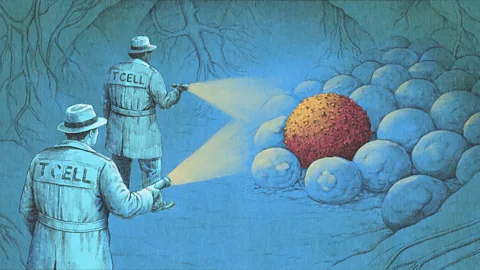
After nearly 100 years of development, treatments that bolster the body's immune system to fight cancer are coming of age – and saving patients' lives.
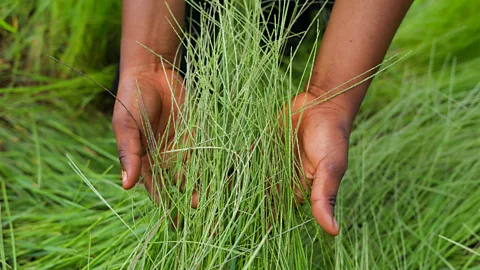
Unlike commonly farmed crops like wheat, ancient grains have maintained genetic properties from their wild ancestors - and they're linked to many health claims, including that they contain more nutrients than their modern counterparts.
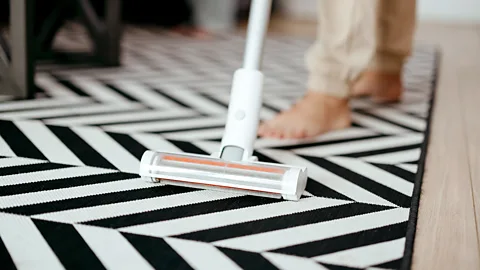
Clouds of microplastics concentrate in the air of our homes, and we could be breathing in millions of them each year. A few changes can help us reduce exposure.
Some think it's a severe case of eczema. Others say it's a condition called TSW. But doctors are stuck in a dilemma.
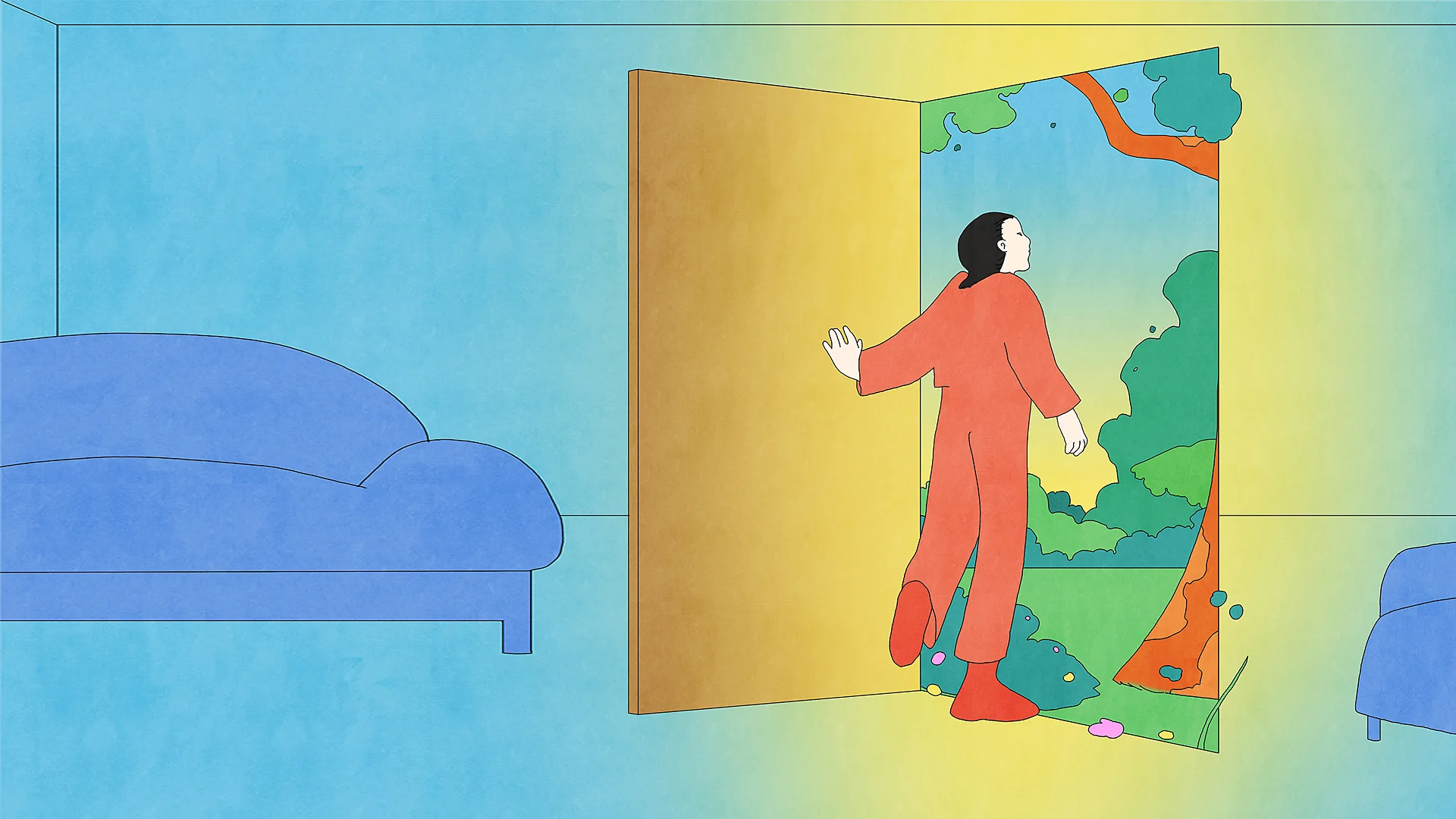
No beds, more birdsong: why outdoor sleep can make for better slumber which continues after you return home.
Climate journalist Graihagh Jackson goes on a quest to find a diet that's healthy for her child, and helps fight climate change – but will her son actually eat it?
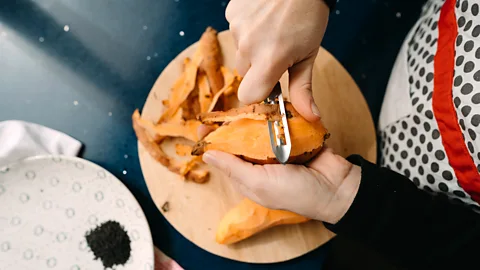
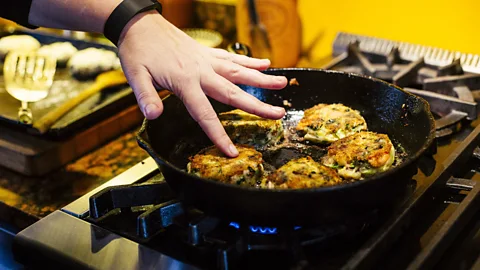
Instead of throwing away edible and nutrient-rich peel of bananas, oranges and other fruits and veg, here are five ways to make the most of them.
Spending just 20 minutes in nature can lower blood pressure, heart rate and stress levels.
In London and LA, we tried eating local food to make our diets more climate-friendly. Here's what happened next.
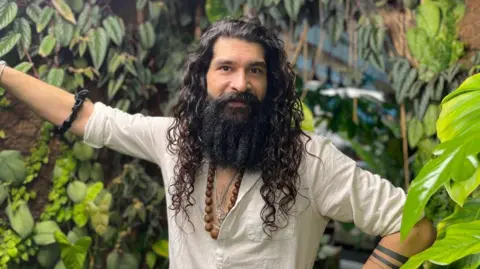
Jonny Balchandani says his plants make him "more creative, happier and it's nurtured my mood".
Seasonal allergy sufferers are being hit with more pollen over a longer season due to rising temperatures alongside extreme allergy events like thunderstorm asthma.
Discover a calmer future with this course of six science-backed techniques, weekly to your inbox.
Trusted insights for better health and wellbeing rooted in science, every Wednesday to your inbox.
A new organ-on-a-chip technology helps doctors design personalised treatments for gut health.
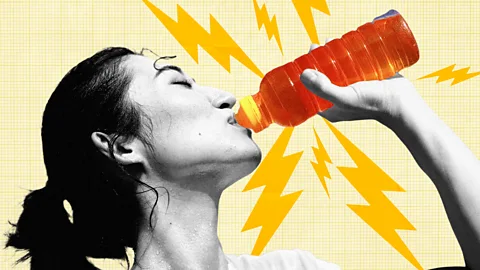
Electrolyte-packed drinks are said to optimise health and hydration. But do we really need them?
Tech Now meets medical teams using mixed reality environments to rehearse life-or-death operations.
As a self-confessed coffee addict, Melissa Hogenboom examines the science behind matcha tea's health benefits.
A team of researchers is working on an ambitious project to build the world’s largest biological database.
Research shows the activity of 'retro-walking' can have surprising benefits for your physical health and brain.
The growing longevity industry is selling a big aspiration – the ability to slow your biological clock, but how credible is this?
For a decade, we've been told our screens are wrecking our sleep. The real culprit is far bigger than the glow from your phone.
A brief bout of physical exercise can create "ripples" of activity in your brain that help you store and retrieve memories.
Couvade syndrome is changing how scientists think about the role of men in childbearing.
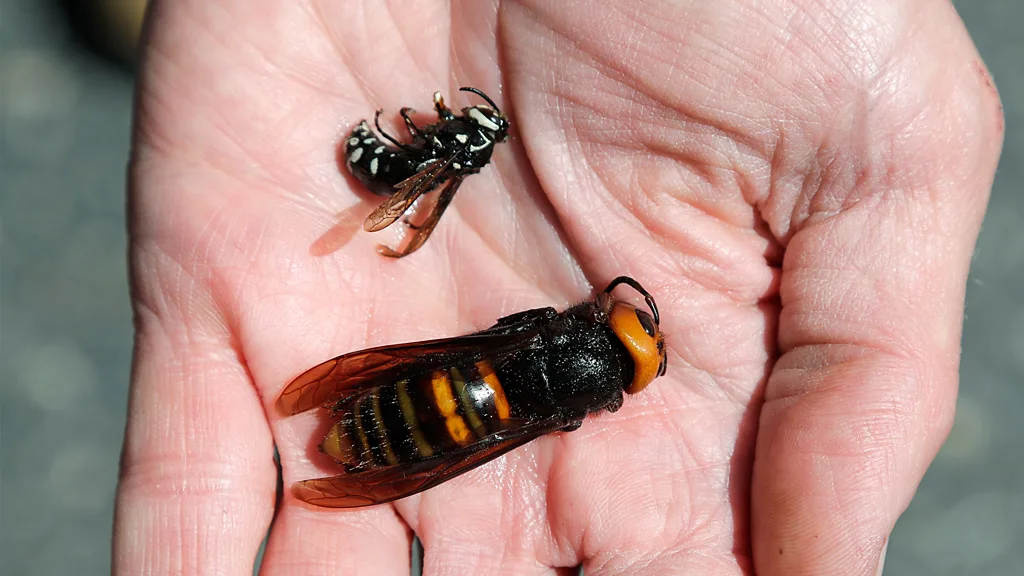
Top contenders for the most excruciating stings or bites include bullet ants, tiny jellyfish and 'murder hornets'.
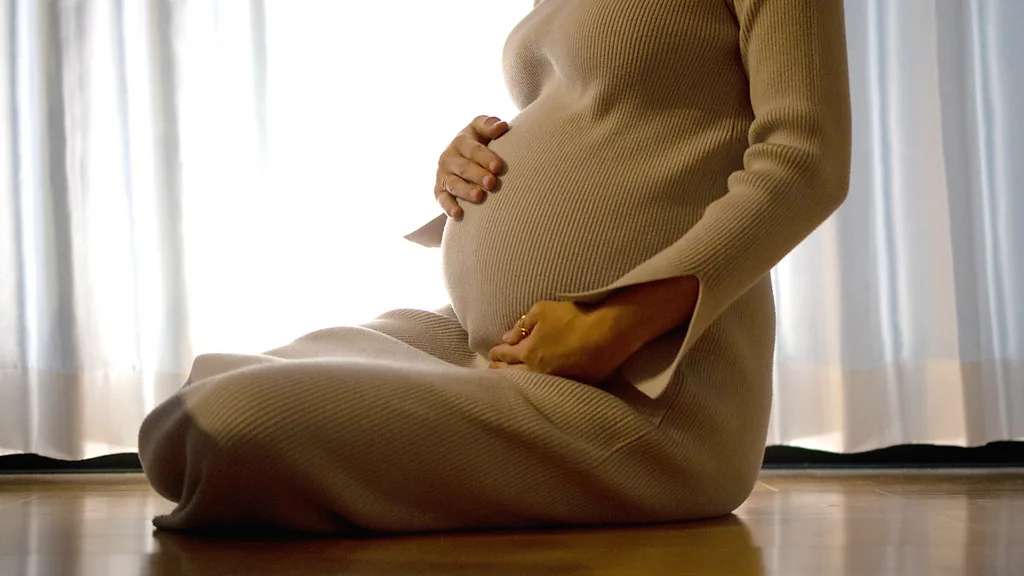
It's usually more dangerous for women to give birth lying down, but the practice began because of a Frenchman who decided it was more convenient... for men.
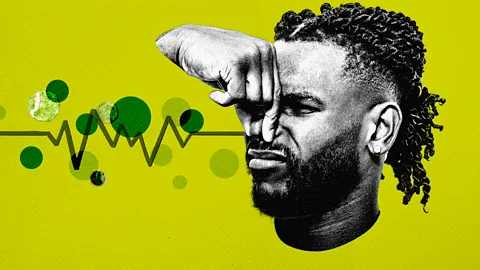
That foul odour wafting your way can do more than make you gag – it could also have long-lasting mental and physiological effects.
A jaded view of human nature may actually render you more likely to suffer from disappointment and betrayal. But there are still ways to avoid being hoodwinked.
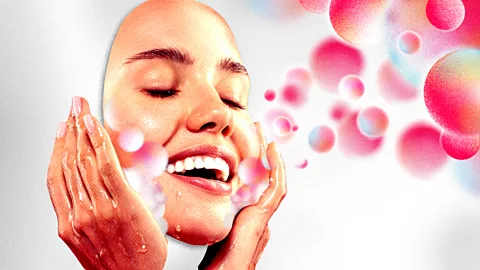
A flurry of unusual beauty therapies are trending on social media. But does the science suggest they can be taken at face value?
Recent heatwaves and a number of deaths due to illegal kite strings have seen many abandoning the once popular pastime.
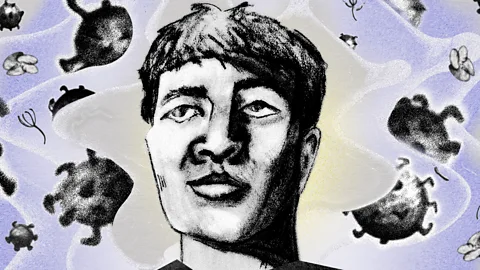
In the brutal world of deep caves, bacteria live in a miniature world of terror. The weapons they have evolved can defeat antibiotics – but now they are inspiring powerful new drugs.
Women are still taking on most of the cognitive burden of running a household. Understanding why is the key to reducing burnout.
That’s the hope promised by a new line of immunotherapy reviving an old treatment.
Nine science-backed techniques to help you build resilience and find some calm in turbulent times.
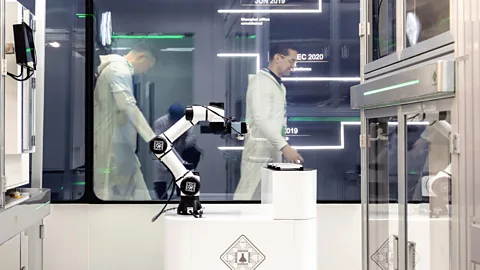
Artificial intelligence is rapidly inventing new drugs for diseases from Parkinson's disease and antibiotic-resistant superbugs to rare lung conditions.
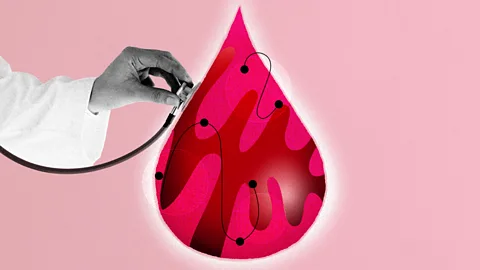
From endometriosis and cervical cancer, to diabetes, vitamin D deficiency and pollution exposure, scientists are finding period blood offers a window into women's wellbeing.
Knitting can have a surprisingly powerful effect on the brain, from preventing nail-biting to helping people who struggle with addiction.
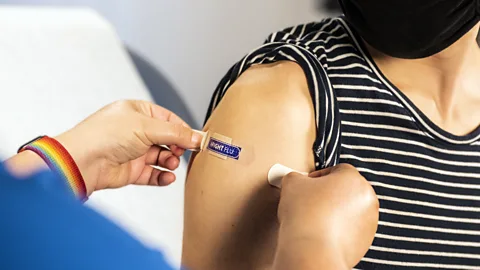
Current flu shots need to be updated each season but scientists are finding new ways to make vaccines that could last much longer and cover more strains.
With technology offering instant gratification and quick thrills, experts explain how adding friction to our day-to-day can help heal our attention span and deepen our sense of self.